Original: $224.99
-65%$224.99
$78.75The Story
Preorder is available for pickup and delivery starting 3/5
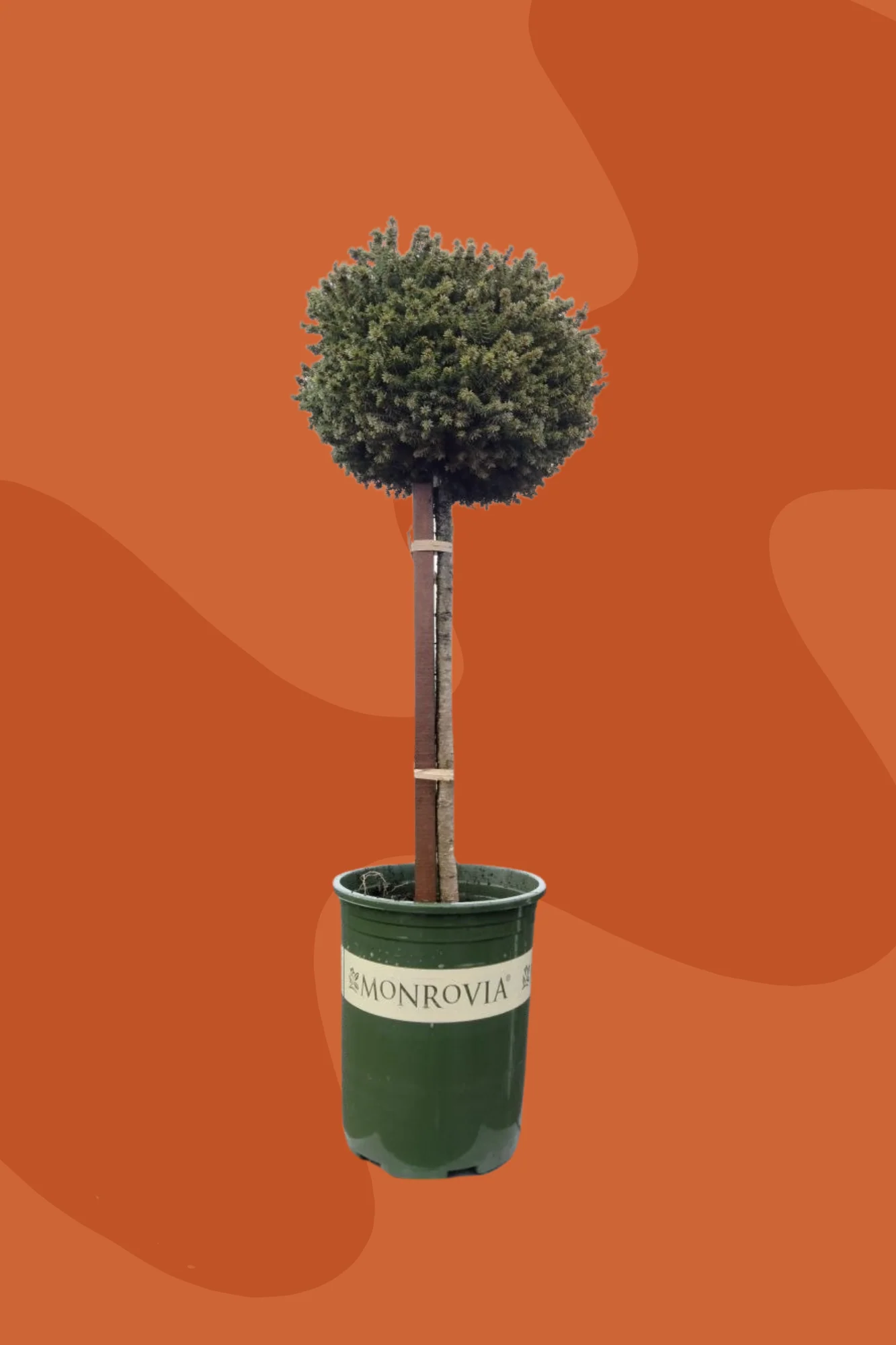
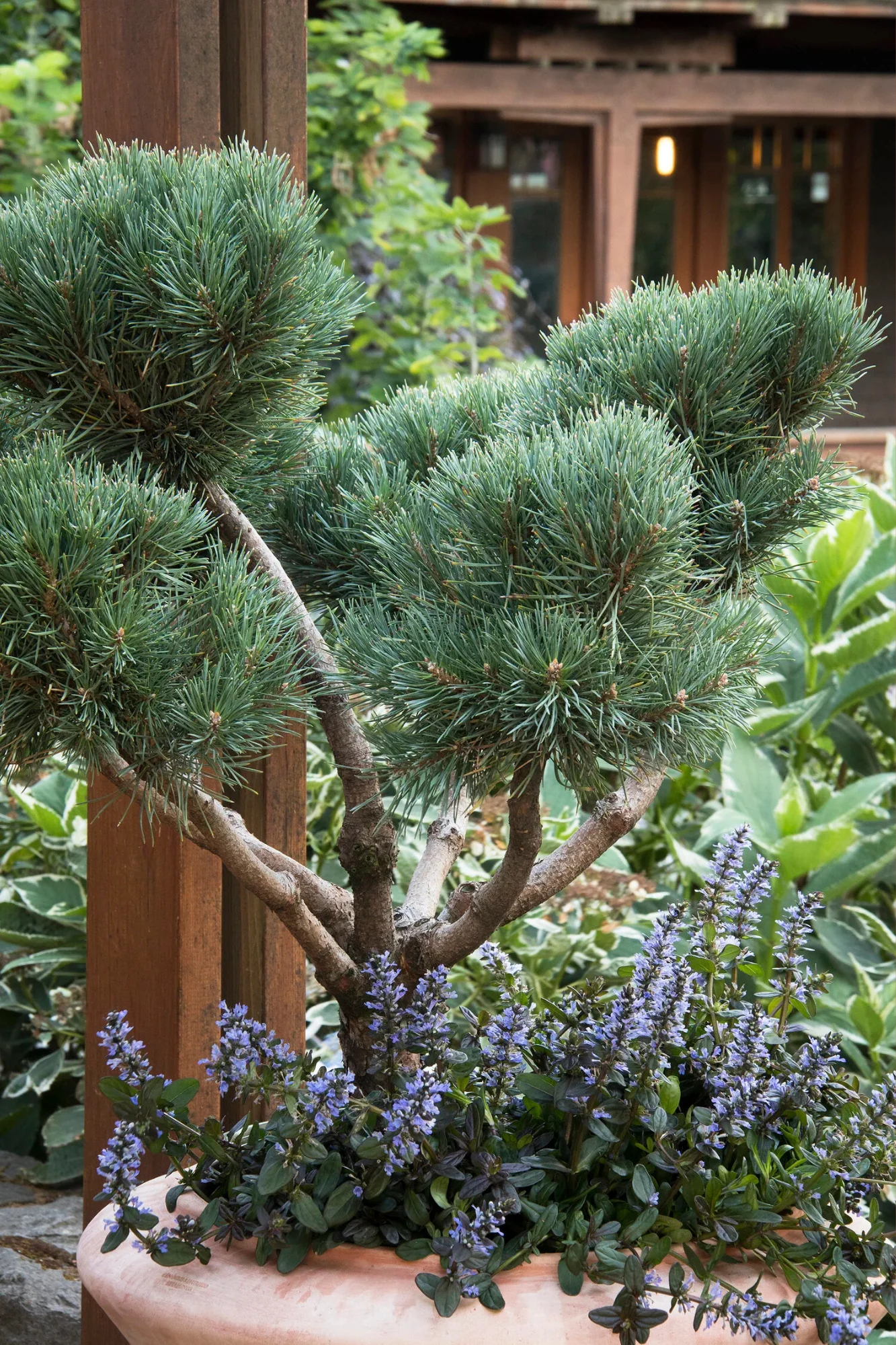
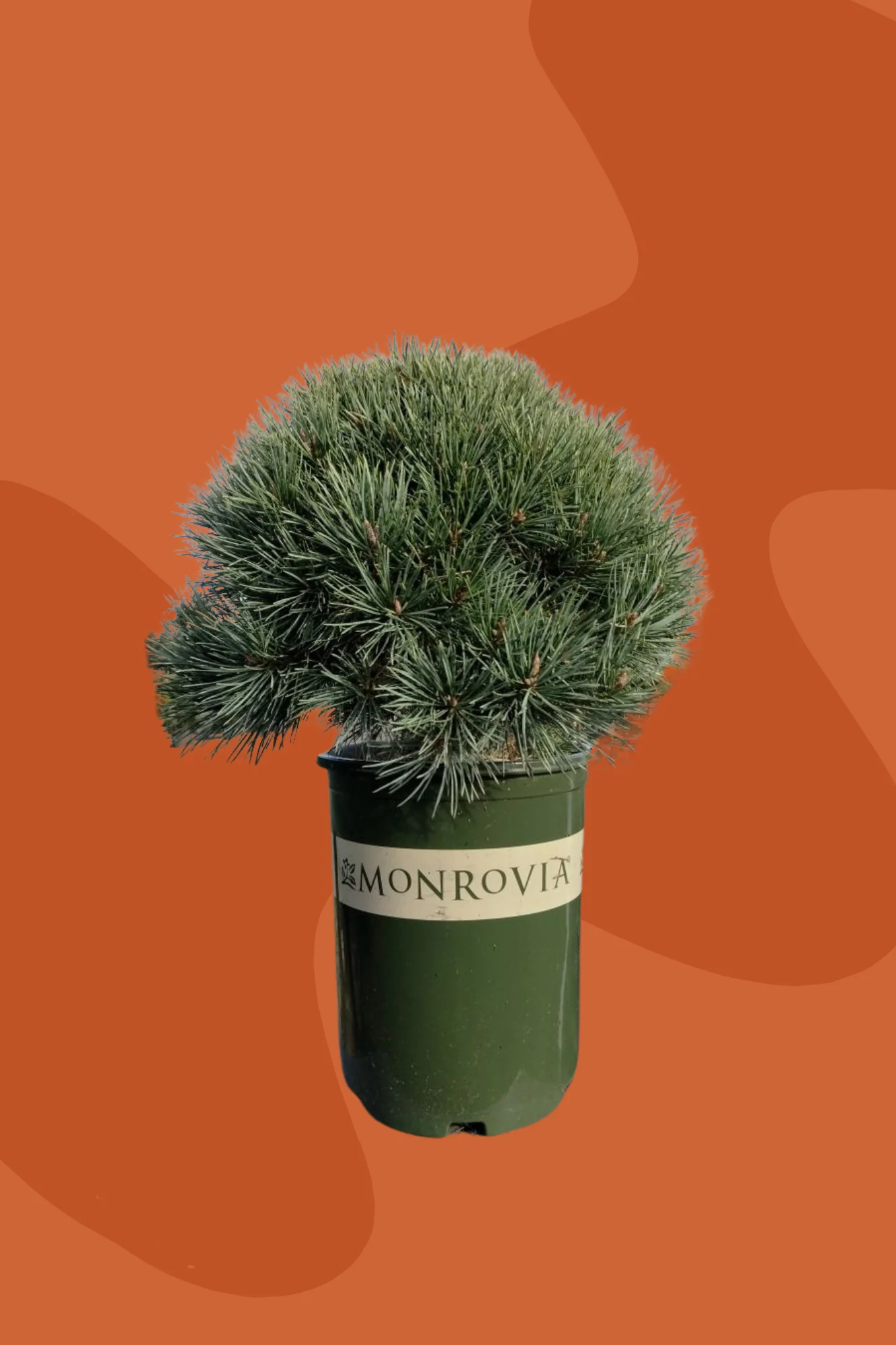
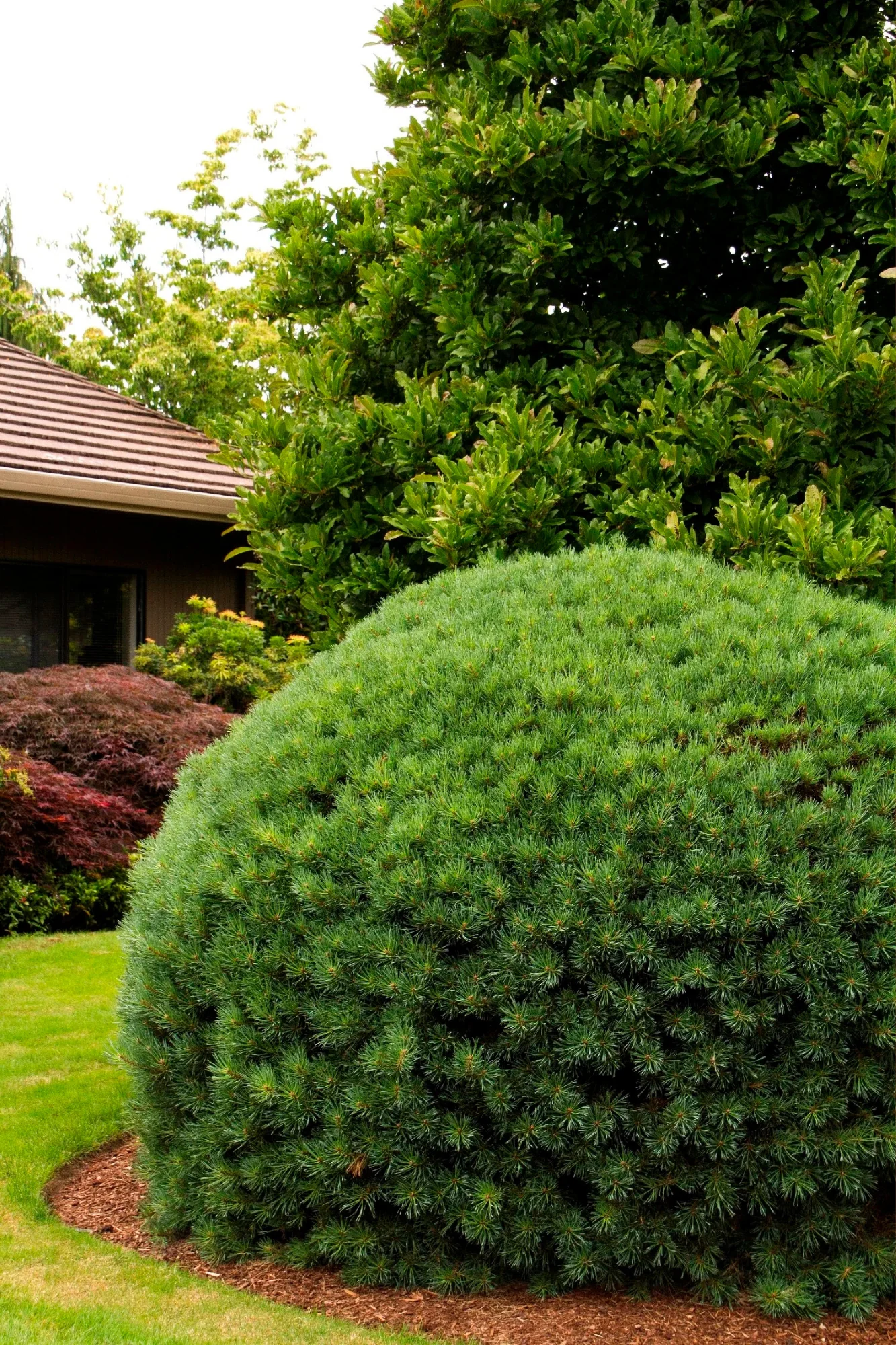
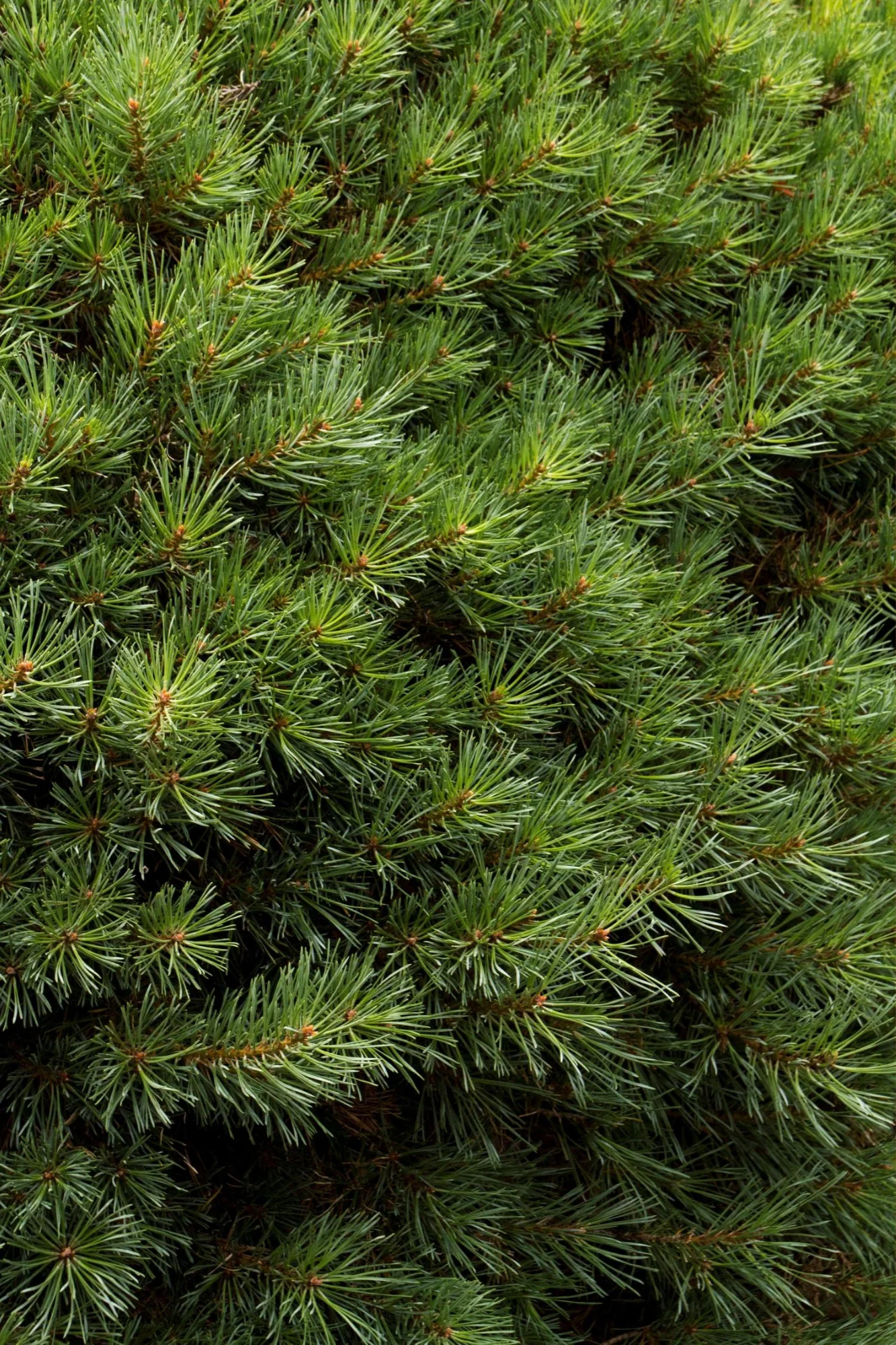
The Dwarf Scotch Pine (Pinus sylvestris 'Glauca Nana') is a compact, slow-growing conifer that offers the beauty of the traditional Scots Pine in a much smaller, more manageable size. It’s perfect for smaller gardens, rock gardens, or as an ornamental accent.
The Dwarf Scotch Pine is hardy in USDA zones 3–7, meaning it can withstand cold temperatures and does well in regions with harsher winters.
Care:
The Dwarf Scotch Pine prefers full sun but can tolerate some light shade. It thrives in well-drained, slightly acidic soil. Once established, it is drought-tolerant, though it benefits from regular watering during dry periods, especially in its first few years. It’s generally low-maintenance, requiring little pruning, but occasional thinning may help maintain its shape.
Care Summarized:
Details & Craftsmanship
Every detail has been carefully considered to bring you the perfect product.
Details & Craftsmanship
Every detail has been carefully considered to bring you the perfect product.
Details & Craftsmanship
Every detail has been carefully considered to bring you the perfect product.
Details & Craftsmanship
Every detail has been carefully considered to bring you the perfect product.
Description
Preorder is available for pickup and delivery starting 3/5
The Dwarf Scotch Pine (Pinus sylvestris 'Glauca Nana') is a compact, slow-growing conifer that offers the beauty of the traditional Scots Pine in a much smaller, more manageable size. It’s perfect for smaller gardens, rock gardens, or as an ornamental accent.
The Dwarf Scotch Pine is hardy in USDA zones 3–7, meaning it can withstand cold temperatures and does well in regions with harsher winters.
Care:
The Dwarf Scotch Pine prefers full sun but can tolerate some light shade. It thrives in well-drained, slightly acidic soil. Once established, it is drought-tolerant, though it benefits from regular watering during dry periods, especially in its first few years. It’s generally low-maintenance, requiring little pruning, but occasional thinning may help maintain its shape.